20 Easy Pieces Of Advice for Finding Upholstery Fabric in Birmingham, Lichfield and Walsall
Wiki Article
Beyond The Bolt: How To Select The Perfect Fabric By The Metre For Curtains & Dresses
Fabric by the metre permits the user to create something entirely new. A strip of fabric could transform into a flowing gown or elegant drape. The process of transforming a bolt of fabric to its final shape is not without potential pitfalls, since the needs of wearables and windows are different. This guide focuses on more than just fibre content, and is focused on the important aspects that will distinguish a successful design from a flop. The West Midlands shopping scene, as well the tactile science that governs fabric behaviour will be discussed. It will also discuss the essential conversations that you should have with your fabric and the maker. Knowing these layers will ensure that the chosen fabric is the perfect, lasting suitable for the purpose they were designed to serve.
Check out the top 10 things you must know.
1. The Drape Dichotomy. Dresses require Kinetics, while curtains need architectural design.
The most important difference is movement. Curtain fabric must be able to remember the architecture; it should fold in smooth and steady folds similar to a thick linen or structured wool. It also needs to maintain its shape even in the face of gravity. Dress fabrics must have "kinetic grace". They must move along with your body and be able to recover from stretching and compression with no wrinkles (like fluid crepe or soft Jersey). If you are in a shop for fabric do not just touch the fabric; instead, crunch a corner in your fist for 10 seconds. A quality curtain fabric will gradually release and hold the ghost of the crumple while a great dress fabric will spring back quickly, and resist the crease.
2. The Light Interrogation How Your Fabric Metres Will Live in the light of illumination.
It is an important, but also personal test. Do not buy curtain fabric in meters unless you have a samples on the actual window. It is important to observe how morning sunlight bleaches colors and midday sunlight shows the actual texture of a fabric, and at night, artificial lighting. For dress fabric, hold the bolt with the fluorescent lights in your shop and, if possible, step outside to natural light. The color that is a hit indoors will fade and become dull in daylight--a particular risk with fabrics chosen in the deep interiors of some Birmingham Rag Market stalls.
3. The Selvedge Decodering The Hidden Fabric: Uncovering Hidden Intelligence
The edges of fabric bolts that is tightly weaved is known as a data strip. Selvedge printing is normal for curtains and upholstery fabric. It includes details such as the name of the manufacturer, collection, as well as important certificates of fire resistance (look at BS5867-2). Selvedges of dress fabrics reveal milling techniques. A smooth, solid edge indicates quality cloth, whereas a ragged, rough edge might indicate a less durable or a more rustic fabric. A knowledgeable assistant in the Lichfield boutique will be able to read the selvedge to you and explain its origins.
4. The Shrinkage Sovereignty : Pre-Washing an unassailable legal requirement.
This is the unfun foundation of professional outcomes. To care for any dress bought by the metre except silks and wools, it is necessary to wash the fabric in advance and then press it exactly the way you plan to finish the garment. This process "sanctifies" the metre by allowing all shrinkage to take place before a single cutting is done. This is not the case for curtain fabric The key is to factor in professional cleaning techniques. Request your curtain manufacturer to incorporate "fullness" and header allowances to allow for minimal shrinkage.
5. The hidden metreage multiplier The Pattern Match Calculus.
A fabric with a stunning pattern that you don't take care of could double your needed meterage. Calculate based on repeats of pattern instead of length, for both dresses and curtains. For a pair of custom made curtains, panels should be cut in a way that the pattern is horizontally aligned across the join after closing. This wastes fabric at each drop. For placing a huge floral design in the middle of the bodice, you'll need to do some strategic cutting. This can add a half-metre. Birmingham's retail shops can calculate the cost for you. Smaller Walsall shops presume that customers know what they are doing.
6. Curtain Fabrics as environmental mediators for the Thermal and Acoustic Layer.
It is environmentally responsible to select curtains on a metre basis. Wools that are heavy or triple-weave serve as thermal mass, insulating against temperatures and cold, as well as acoustic dampeners, reducing the echo of a room. A voile that is lightweight only allows diffuse light. Fabrics for dress aren't concerned with this particular layer and instead focus on the micro-climate of each individual (breathability and wicking). The Birmingham staff can be contacted at specialist upholstery fabrics stores about the fabric's "thermal Mass" or "acoustic Density," terms they can comprehend for use in theatre or hotel work but would be perfect to describe a Victorian bay-window, with the draught.
7. The Local Shop Specialism Spectrum: Where to Find Which Fabric Intelligence.
You should base your search on the location you're located in the West Midlands. Lichfield is home to a variety of independent shops that stock complex materials for dressmaking (silks and technical jerseys as well as high-end wools). The staff is likely to be actual garment makers. Birmingham's market and warehouses serve the needs of trade customers and offer a variety of curtains and upholstery fabrics in lengths measured in metric. They also provide technical specifications, weights, and quantities. Walsall shops have a wide selection of domestics with a special focus on value and simple dress cottons. Walsall's value shops and Lichfield's boutiques that focus on dress are not the best choice for purchasing fragile velvet or heavy furniture in Lichfield.
8. The "Railroading Revelation: A curtain maker's secrets to a seamless width.
When you join vertical panels, there are visible seams. This method of joining is called "railroading", which is using fabrics with a pattern that is parallel to the selvedge. You then can make a cut from the width. This will create one seamless drop that extends to the length of the fabric (often around 3m). Some patterns are not able to be utilized in this manner. Consider asking yourself: "Can the print be railroaded?" When you're in Birmingham, and are considering large prints for curtains that are made to measure, it is essential to find out whether they are railroadable. This technique will eliminate vertical seams, but it requires more precise manufacturing.
9. The Handle Versus Drape Paradox with Dress Fabric
"Handle""Handle," however is the feeling that you feel when you move the material "drape", is how the fabric drapes beneath the weight of its own. They are not the exact same. The crisp taffeta drape is strong and architectural, with a lively handle. A heavy silk charmeuse has an edgy handle, but an enveloping, liquid drape. A metre of fabric can be draped over the table or on your arm in a fabric shop. Fabrics that feel great in your hands (good drape) may also be prone to falling. This is the reason that dressmakers should be wary of Birmingham market stalls who don't remove the bolt.
10. The Maker’s Codicil : Your first meeting before purchasing just one metre
If you are considering buying fabric in meters for the project you are working on, you should speak with the maker. A curtain maker will be able to give advice about the necessary fullness (normally 2x to 25x the length of the rail) and liner compatibility, as well as header type that impact the length of cut. Dressmakers will discuss designs, ease requirements and finishing seams. The consultation, which may include a Lichfield-based seamstress or a Walsall curtain shop, will ensure that the beautiful metres you buy are precisely the ones their equipment and techniques have been created to transform. It turns an individual purchase into a very first stage in the process of creating. Take a look at the top rated fabric by the metre for site examples including window with curtains, curtains to blinds, blinds uk, curtain sizes uk, house curtains, curtains for shop, curtain and blinds, curtains with blinds, custom curtains, curtains with blinds and more.
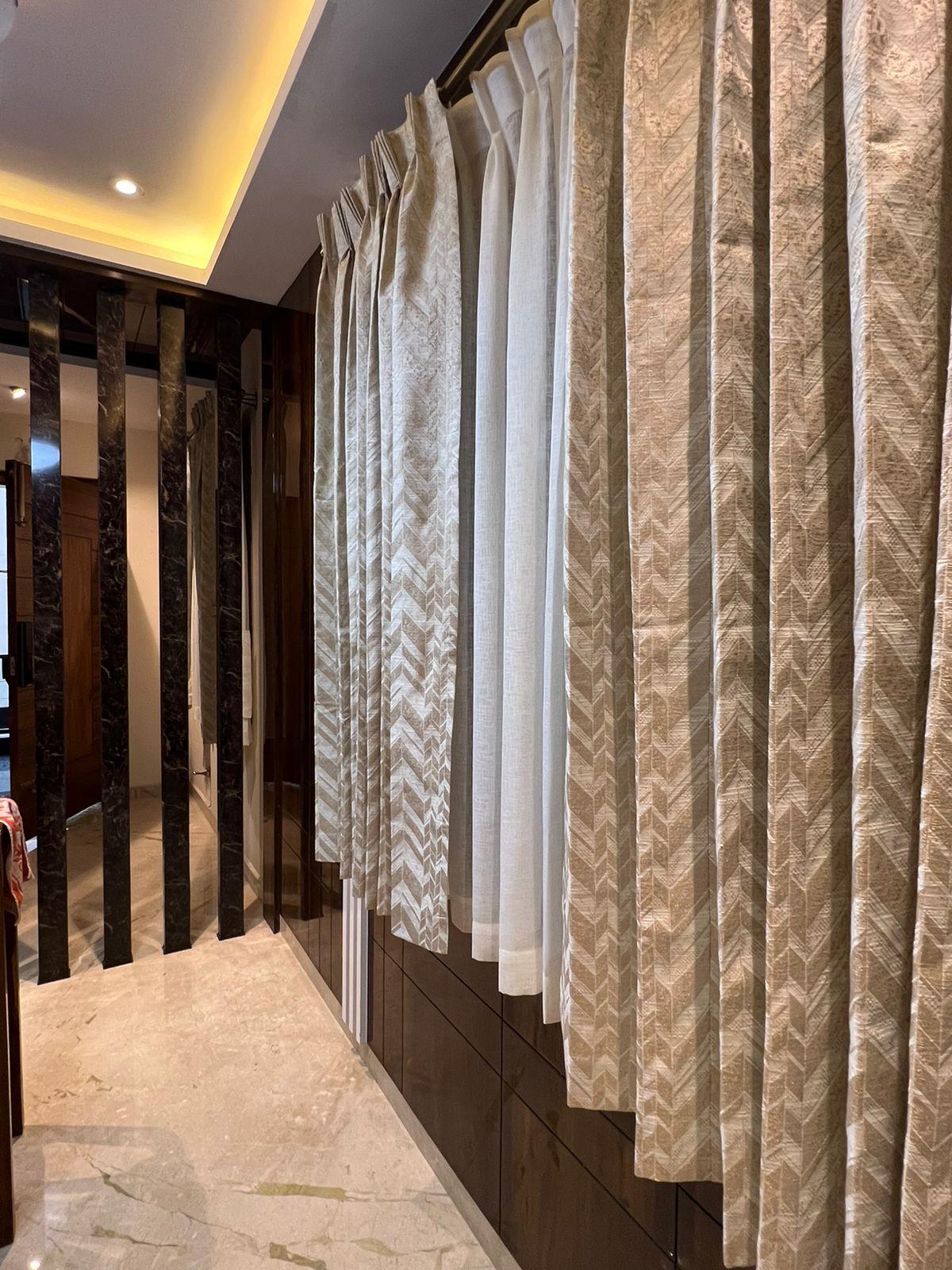
How To Determine The Materials Required To Make Diy Curtains & Upholstery
It is often the case that creative endeavors aren't able to move from admiring a fabric metre after metre to confidently buying the quantity needed for their DIY projects. The twin spectres are the waste and the shortage. It can often lead to over-ordering, or even an entire project being halted at the midpoint. This guide demystifies the calculation process for upholstery and curtains, going beyond the simple formulas for length and width to take into account the subtle factors of pile, pattern and fabric behaviour. The maths are then connected to the reality of shopping in different kinds of fabric stores located in the West Midlands. You will transform from being an insecure buyer to a confident, precise buyer who is able to engage with shops, markets as well as trade counters.
Please read the following Top 10 Things you should know.
1. The "Fullness Factor" A flimsy notion. Why You Should Double (Not match) Your Rail Width.
The most frequently made DIY mistake involves buying curtain fabric that is the exact same size as your track or curtain poles. This produces flat, meagre curtain panels. Professional made to order curtains make use of a "fullness ratio" that is between 2 and 25 times the width of the rail. The extra fabric is pleated into luxurious folds that stop light. It is necessary to multiply the rail width by 2.5 to determine the required width of fabric. ** For 200cm rails the required width is 500cm (5 metres) of total width *before* considering pattern repeats. It's a non-negotiable requirement for a professional looking product. It's the very first factor to consider prior to entering a fabric shop.
2. The Pattern Repeat Tax The Hidden Multiplier That Calculates Your Metreage.
If you decide to use a pattern material, your calculations change from basic math to a strategic plan. Multiply the vertical repeat. The label of the fabric will tell you how to find it. Or, measure from one spot in the pattern that is directly beneath the next point. The formula is: **[(Finished Length + Hem and Heading Allowance) / Pattern Repeat] = number of repeats required. ** Round this number *upand then multiply it by the Pattern Repeat to calculate your cut length per drop**. A length of 250cm with a 64cm repeat requires 3.9 repeats. These are rounded to 4, which means 4 x 64cm equals 256cm cut length. The "waste", as it's referred to, is vital to align the pattern.
3. Purchase width in addition to length: The "Railroading Revealing" for upholstery with wide widths.
The traditional technique of cutting fabric (where the pattern runs across the length of the fabric) can create wasteful seams for large projects, such as a sofa seat or a large headboard. The alternative is "railroading" by using the width of the fabric as your project's length. If the fabric is 137cm but your sofa is 220cm, then you must join two lengths. You can join two lengths if your pattern permits it. If the length of the fabric that is on the bolt is adequate, you can cut just one length of 220cm. This requires a larger bolt length, but it produces seamless products. Birmingham's traders are skilled at this type of calculation. Walsall's stores might need to have the concept explained.
4. The Dressmaker's Method to Curtains: Why You Should Respect the Fabric's "Grain."
As in dressmaking, cutting curtains "on the grain" is paramount. The fabric's warps (running parallel to the selvedge of the fabric) must run vertically for an ideal hang. When calculating for extra-long curtains, be aware that some furnishings fabrics feature an "nap" or directionally-oriented pattern (like velvet or a stylised flower). Each piece of fabric needs to be cut in the same direction. This can lead to waste. If you're in one of Lichfield's fabric shops that specialize in dress fabrics, telling them you'd like to "cut straight grain for drapery" will instantly align you with the expertise of these stores that understand the integrity of grainlines more than other furniture retailers.
5. The Lichfield Loophole: Using Dress Fabric for curtains and its Calculation Quirk.
If using a dress fabric (e.g., a heavy brocade or linen) from the Lichfield boutique that sells curtains, you face an issue with width. Dress fabrics generally only 110cm-150cm in length, are narrower than standard curtain fabrics. If you are looking to achieve the needed **Total Material Width** from point 1 the fabric will need to add more panels. This will affect both the seam allowance and the matching of patterns. The formula is *Total Width Requirement * Bolt Width of Fabric = Number Of Panels. ** Round up. Multiplying this figure by the **Cut Length** to get the final metreage. This usually means you'll need more metre of fabric than larger fabrics, but the cost is often compensated by its distinctiveness.
6. The "Upholstery Fabric by the Metre" Puzzle: Accounting for Cushion Boxing and Buttoning.
Calculating the dimensions of a cushion or back for upholstery is simple the formula is width + sew allowance divided by length and seam allowance. With boxing (the strips that are affixed to the sides of cushions) and deep buttoning, things are more complicated. If you're making a box for your cushion, be sure to add the seam allowance as well as the measurement of the cushion's circumference to determine the length. If you're making deep buttoned backings, double the flat area is needed to allow for the fabric that has been drawn into the tufts. Boutiques located in Birmingham which specialize in upholstery fabric will offer "yield guide" or consultants to help you calculate the amount of fabric needed to cover your furniture.
7. The Walsall Value-Engine: Sourcing Linings and Calico Mock-Ups First.
Before cutting into the high-end fabric that you will use for your main piece Make an "toile", i.e. an idea of your design using inexpensive fabric like calico. Walsall's fabric stores are the ideal source for this inexpensive but essential muslin per metre. Calculate and purchase your calico with the exact formulas you will use for your final product. The dry-run will reveal any errors in your measurements, check your calculation for fullness and assist you in adjusting the method of sewing. Walsall is a great place to source all your interlinings and linings at the best value. Consider it an additional, useful layer of calculation prior to investing in face fabric.
8. The Selvedge & Shrinkage Allocation The Unseen measures that count.
Each calculation should include "invisible" allowances. Seams: Add 2cm each time you join the seam (so you should add 4cm to every panel, if seams are side-sealed). Curtain hems have a standard 15cm thick bottom edge and 10cm of top heading. If you do not pre-wash the fabric (e.g. linen or cotton) and you want to you should add 5 to 8 percent to allow for shrinkage. That means you'd add 12.5cm for a length of 250cm. When asking shops to cut fabric to the metre, they should be given your *cut length* (including all allowances) and not your finished length*.
9. The Birmingham Bulk Buy Buffer: the Strategic "Safety Metre."
When purchasing from Birmingham's markets or trade rolls, where re-ordering an exact dye-lot is not always possible implement a "safety meters" rule. When you've completed the final calculation, you should add one full length of a pattern (or half a metre in the case of plains). This will cover threading mistakes and cutting mistakes as well as future repairs. A little more expensive price per metre is a cheap way to protect yourself against unexpected circumstances. This buffer isn't as crucial in Lichfield because shops may be able to re-order the fabric or buy plain fabrics from Walsall.
10. The final pre-cutting verification The final pre-cutting Verification "Layout" Ritual, either on flooring or paper.
Make sure you check the final details prior to having the fabric cut in the shop or sheared. With graph paper or your floor, use tape to map the bolt's width as well as your required cut lengths. Layout the panels visually by observing repeat patterns as well as nap direction. This "paper doll" exercise often reveals one last optimisation--perhaps re-ordering drops can save half a repeat. It's this final, meditative process that makes the difference between an nervous DIYer from the confident maker.
